
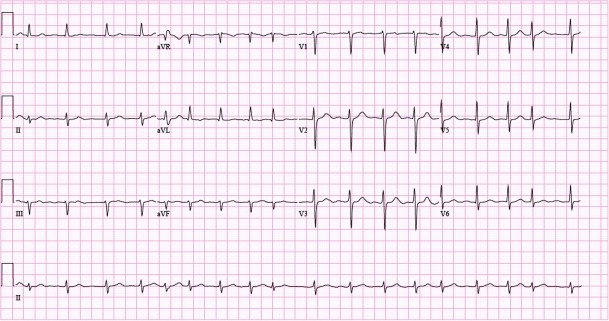
• Why is atrial fibrillation (AF) common in older patients? Are stroke risk factors the same in older patients compared with younger patients?
AF is very common in the older population. Population studies have shown that 80% of all AF occurs in patients aged 65 years or older. These patients have multiple risk factors — more diabetes, greater incidence of high blood pressure and ischemic heart disease, valvular heart disease — and these are all independent risk factors for AF. Aging hearts have more myocardial fibrosis and atrial dilatation, which provides a perfect setup for AF. AF also creates electrical and structural remodeling in the atria and increases electrical dispersion, thus increasing the incidence of AF episodes and progression to persistent and then permanent AF. That’s why we say AF begets AF; that’s the reason why the longer we wait to initiate rhythm control strategies, the more difficult it is for the patient to revert to sinus rhythm.
Age is an independent risk factor for both AF and stroke. The CHADS-VASc score gives one point for age 65 years or older and two points for age 75 years or older. Other risk factors in the older population are diabetes, hypertension, and congestive heart failure, which are all more common in older patients compared with younger ones.
•• Are older patients who are receiving anticoagulants for stroke prevention at a greater risk for bleeding events compared with younger patients, and do all currently available oral anticoagulants pose equivalent risks in the older population?
Older patients with AF who are receiving anticoagulants for stroke prevention are at greater risk for bleeding events compared with younger patients. Therefore, many physicians don’t prescribe anticoagulants for older patients, which deprives them of the great protection against stroke afforded by these agents, especially the newer generation, or the direct oral anticoagulants that have been on the market for many years now. Older patients also have increased risk for thromboembolic events, and thromboembolic protection is therefore of major importance.
The anticoagulants are all different and every patient is different. That’s why you have to discuss the options with your patient, know all the patient’s risk factors, and choose the anticoagulant according to the patient’s profile.
Did the phase 3 trials for the oral anticoagulants include older populations and if so, what did they conclude about the benefits vs the risks of using oral anticoagulants in this population?
AF is the most common sustained arrythmia and anticoagulation is the cornerstone of AF management to prevent stroke. Vitamin K antagonists were traditionally used for stroke prevention in AF and they did a great job for many years, but then we got the novel oral anticoagulants (NOACs) with different mechanisms of action and safety profiles that are as good as or better than warfarin in decreasing the stroke risk.
Which risk stratification schemes could be used to aid in the decision to prescribe an oral coagulant to older patients?
Multiple risk stratification schemes are used. The most validated one is HAS-BLED. Blood pressure > 160 mm Hg gets one point; abnormal renal or liver function get one point each. Previous stroke, ischemic or hemorrhagic, gets one point; labile international normalized ratio gets one point; bleeding gets one point; age 65 years or older one point; drug or alcohol use one point each. I use that to guide my follow-ups and help me address modifiable risk factors. I don’t use this risk score to refuse patients anticoagulation because their bleeding risk is high. The higher the CHADS-VASc score, the higher the HAS-BLED score would be as well. The higher the stroke risk, the higher the bleeding risk. That should not prevent us from prescribing this useful medication, but it should guide us in following up with patients and addressing their modifiable risk factors in order to decrease their bleeding risk.
Avail the ongoing Early Bird Offer from www.medicozcommunity.com

Visit our Official Instagram https://www.instagram.com/medicozcommunity/
NExT Exam 2024 Preparation is now Easier go and grab the Early Bird Offer.




Leave feedback about this
You must be logged in to post a comment.